
If you live in Irving, TX, you know our summers are no small challenge for lawns. The combination of triple-digit temperatures, blazing sun, and limited rainfall can turn even the healthiest yard into a patchy, stressed-out mess. From the neighborhoods of Las Colinas to Valley Ranch, lawns all over Irving face the same reality: summer here is tough, and without the right care, your grass won’t stand a chance.
Whether you’ve got Bermuda in your front yard or St. Augustine in the back, understanding exactly how Irving’s summer climate impacts your lawn will help you protect it—and keep it looking green and inviting, even in the hottest months.
Heat Stress in the Irving Sun
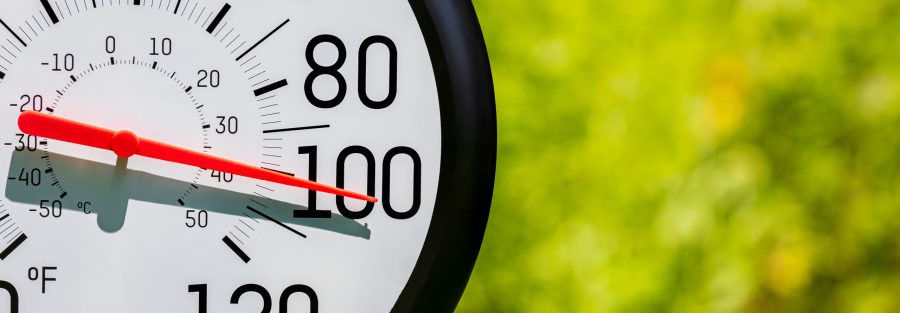
In July and August, average daytime highs in Irving hover around the upper 90s, but heat waves can push them into the 100s. That kind of direct sun stresses your lawn, especially in areas without shade.
Heat stress shows up in several ways:
Brown patches that signal grass dormancy.
Limp, wilted blades that don’t bounce back after you walk on them.
Footprint effect, where your steps remain visible in the turf.
If you’ve ever noticed your grass looking greener near shaded fences or under trees, that’s because those areas escape the worst of Irving’s midday sun.
Drought Stress and Water Loss
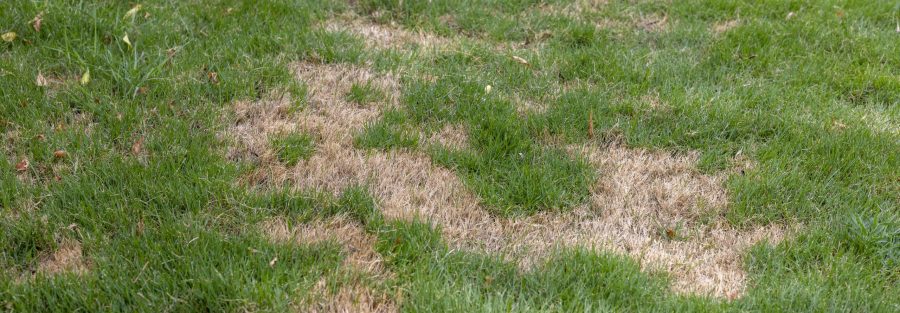
In Irving, summer rain is unpredictable. We may get sudden thunderstorms, but more often, we go weeks without significant rainfall. Combine that with our clay-heavy soil, which doesn’t always drain well, and your lawn can struggle to keep enough water at the root level.
When drought stress hits, grass blades turn a bluish-gray color and feel brittle. Shallow-rooted areas—often near sidewalks or driveways where heat reflects—are the first to show damage.
Soil Compaction From Summer Activity
Irving is home to plenty of backyard barbecues, kids’ play areas, and pet-friendly lawns in summer—but heavy foot traffic compacts the soil. Compacted soil in our North Texas clay becomes almost brick-like in the heat, limiting airflow, water penetration, and nutrient movement to the roots.
The result? Shallow root systems that are more vulnerable to heat and drought.
Weed and Pest Pressure
Weeds like crabgrass, dallisgrass, and nutsedge thrive in the hot, dry conditions of an Irving summer—especially if your lawn is already stressed.
Pests also become a bigger threat. Chinch bugs are notorious in our area for attacking St. Augustine lawns, while armyworms can sweep through Bermuda grass almost overnight.
When your lawn is weakened by heat or drought, it becomes more susceptible to these invaders, making regular monitoring essential.
Fertilizer Burn Risks in Summer
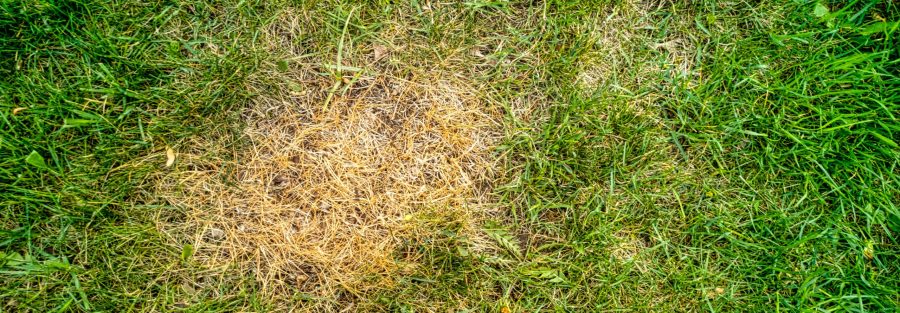
If you fertilize during peak heat, there’s a risk of “burning” your grass—especially in Irving’s climate where evaporation is high. Fertilizer burn happens when salts in the product draw moisture out of the grass instead of helping it grow.
If summer feeding is necessary, opt for a slow-release fertilizer and water it in thoroughly. Many local lawn care companies recommend waiting until late summer or early fall for the safest and most effective results.
How Warm-Season Grasses Handle Irving Heat
Most lawns in Irving feature warm-season grass varieties like:
Bermuda grass: Loves sun but will go dormant without water.
Zoysia grass: Tolerates heat but may thin out in shaded yards.
St. Augustine grass: Handles heat well but needs consistent irrigation to prevent chinch bug damage.
Knowing your grass type is essential so you can tailor care to match its specific heat tolerance and follow a proper lawn watering guide.
Mowing for Summer Survival
Cutting your grass too short in the heat exposes the soil, increasing water loss and root stress. In Irving, summer mowing success comes down to three rules:
- Keep mower blades sharp.
- Raise mowing height slightly in summer to provide shade for the soil.
- Avoid mowing during the hottest part of the day.
This not only helps retain moisture but also reduces shock to the turf.
How to Protect Your Irving Lawn in Summer
Here’s a quick survival checklist for our North Texas climate:
- Water deeply in the early morning, following Irving’s watering restrictions.
- Aerate annually to relieve clay soil compaction.
- Add mulch or compost topdressing to improve soil moisture retention.
- Control weeds and pests before they spread.
- Mow at the right height to protect the root zone.
- Reduce heavy use during extreme heat.
Post-Summer Recovery for Irving Lawns
When the worst of the heat is over, usually by late September, it’s time to help your lawn recover. Fall in Irving is ideal for:
Core aeration.
Overseeding (if needed).
Applying balanced fertilizer for root development.
This not only repairs summer damage but also prepares your lawn to handle next year’s heat better.
Keeping Irving Lawns Resilient
The summer heat in Irving, TX, is a unique challenge for homeowners. Our combination of intense sun, high evaporation rates, clay soil, and irregular rainfall means your lawn needs targeted, North Texas-specific care to stay healthy.
By understanding how local conditions affect your lawn, and taking steps like deep watering, lawn aeration, pest control, and proper mowing, you can keep your yard thriving from Las Colinas to Cottonwood Valley.
If you’re ready to give your lawn the upper hand against our Texas summers, scheduling a core or liquid aeration service this fall can make all the difference for next year’s heat.