
If you’ve ever driven through North Texas and wondered why one commercial property looks lush and healthy while another just down the road looks thin, patchy, or stressed, the answer usually isn’t “more fertilizer.”
In fact, one of the biggest mistakes commercial property owners and managers make is assuming all turf responds the same way. It doesn’t.
North Texas commercial landscapes deal with intense heat, compacted clay soil, heavy foot traffic, inconsistent irrigation, reflected heat from concrete and buildings, and wildly different turfgrass varieties…all at the same time. Yet many fertilization programs still rely on a one-size-fits-all approach. That’s where problems start.
At Gecko Green, we’ve seen firsthand how generic fertilization programs can lead to weak growth, disease pressure, wasted product, and commercial lawns that simply never reach their full potential. The truth is that successful commercial lawn care in North Texas requires a strategy built around the specific turf type, soil conditions, and environmental pressures of each property. Because what works for one lawn can seriously stress another.
1. North Texas Commercial Lawns Face Unique Challenges
Commercial properties aren’t maintained under the same conditions as residential lawns.
Office parks, retail centers, HOAs, industrial campuses, medical facilities, and apartment complexes all experience different types of pressure on their turf.
Some Deal With:
Constant foot traffic
Compacted soil from maintenance equipment
Heat radiating from parking lots and sidewalks
Uneven irrigation coverage
Shaded areas near buildings
High-visibility expectations year-round
And in North Texas specifically, the climate adds another layer of difficulty.
The combination of scorching summer temperatures, drought stress, sudden storms, and dense clay-heavy soil creates conditions where turf can decline quickly if fertilization isn’t carefully managed.
That’s why commercial lawn fertilization isn’t just about “making grass green.”
It’s about understanding how different turf types respond to stress—and feeding them accordingly.
2. Not All Turfgrass Types Need the Same Nutrients
One of the biggest reasons generic fertilization programs fail is that different turf varieties have completely different growth habits and nutrient demands.
In North Texas Commercial Properties, the Most Common Turf Types Include:
Bermuda grass
Zoysia grass
St. Augustine grass
Fescue blends (in limited shaded areas)
Each of these grasses reacts differently to fertilizer timing, nitrogen levels, watering, and environmental stress.
Applying the same program across all of them is like giving every employee in a company the exact same job description, regardless of their role.
It simply doesn’t work.
3. Bermuda Grass: Aggressive Growth Requires Strategic Feeding
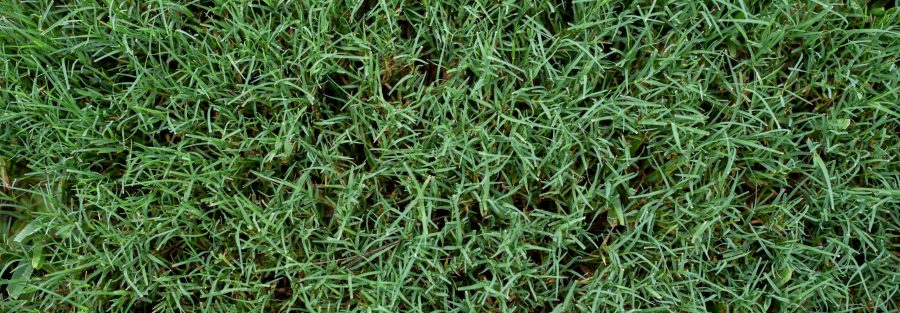
Bermuda grass is extremely common in commercial properties because of its durability and heat tolerance.
It thrives in full sun and handles traffic better than many other turf types, but Bermuda is also aggressive.
When Over-Fertilized, It Can:
Grow excessively fast
Require constant mowing
Develop thatch buildup
Become more vulnerable to drought stress
Create uneven appearance patterns
Too much nitrogen at the wrong time can push Bermuda into survival stress during peak Texas heat.
Commercial properties often assume “more green equals more healthy,” but with Bermuda, aggressive top growth doesn’t always mean strong root development. A balanced fertilization strategy is critical.
4. Zoysia Grass: Beautiful but Sensitive
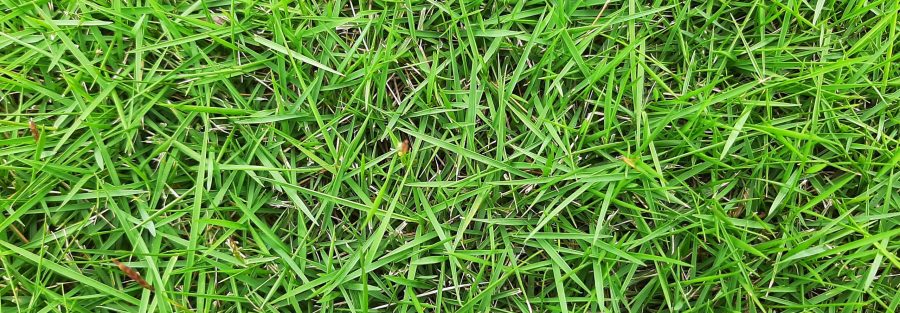
Zoysia is popular in upscale commercial landscapes because of its dense, luxurious appearance.
But it’s also one of the easiest turf types to overfeed.
Excess Fertilizer Can Lead To:
Scalping issues
Thatch buildup
Disease pressure
Uneven color response
Increased recovery time from stress
Zoysia prefers a more controlled, measured approach.
It responds best to carefully timed fertilization programs that encourage steady growth rather than explosive growth.
That’s especially important in commercial environments where appearance consistency matters.
5. St. Augustine Grass Needs a Completely Different Approach
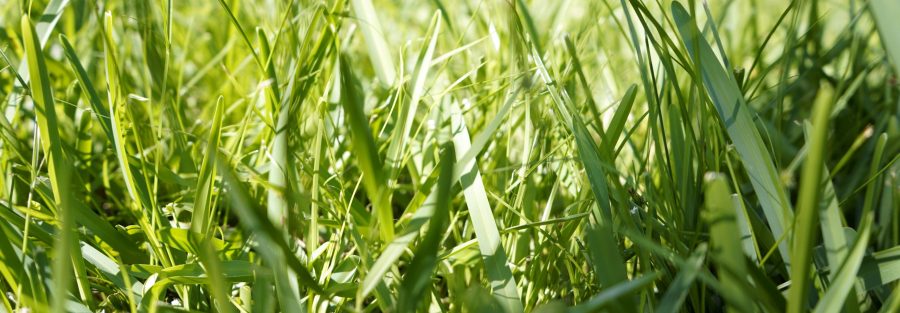
St. Augustine behaves differently from Bermuda and Zoysia in several important ways.
It Prefers:
More moisture
Different nutrient timing
Lower stress conditions
Careful disease management
Overfertilizing St. Augustine during hot, humid periods can create serious fungal issues.
And because many commercial properties contain multiple turf varieties across one site, applying blanket fertilizer treatments can unintentionally harm certain sections while helping others.
This is one of the most common issues we see with commercial lawn care programs that rely on generalized applications instead of property-specific.
6. Soil Compaction Changes Everything
Even the best fertilizer won’t work properly if the soil underneath is compacted.
And commercial properties are especially vulnerable to compaction.
Everyday Activity:
Employees
Customers
Maintenance crews
Equipment
Deliveries
Event traffic
…gradually compresses the soil over time.
When That Happens:
Oxygen struggles to reach the roots
Water runoff increases
Nutrient absorption drops
Root systems weaken
Turf becomes stressed faster
This is why fertilization and core aeration often need to work together.
Without relieving compaction, fertilizer can become significantly less effective—especially in North Texas clay soil.
Commercial lawns may continue receiving treatments while showing little improvement simply because the nutrients aren’t reaching the root zone properly.
7. Sun Exposure Creates Multiple “Microclimates”
Another reason one-size-fits-all fertilization fails is that large commercial properties rarely have uniform growing conditions.
One Side of the Property May Receive:
Full afternoon sun
Heat reflected from the pavement
Constant dryness
Meanwhile, Another Section May Be:
Heavily shaded
Cooler
Retaining more moisture
Growing more slowly
These are essentially separate growing environments.
Yet many generic lawn programs treat the entire property exactly the same.
That Can Lead To:
Burned areas
Overgrowth in shaded zones
Uneven coloration
Increased weed pressure
Poor overall appearance
Smart commercial lawn care accounts for these environmental differences instead of ignoring them.
8. More Fertilizer Doesn’t Automatically Mean Better Results
This is one of the biggest misconceptions in commercial turf management.
Property managers often assume that if a lawn looks stressed, adding more fertilizer will solve the issue.
But Excess Fertilization Can Actually:
Increase heat stress
Encourage shallow root growth
Create fungal conditions
Cause surge growth followed by a decline
Waste water
Increase mowing frequency
Healthy turf isn’t built through constant stimulation.
It’s built through balance.
A Successful Fertilization Strategy Focuses On:
Soil health
Root strength
Consistent recovery
Nutrient timing
Seasonal adaptation
Not just temporary color boosts.
9. Timing Matters More Than Most People Realize
Fertilizer timing is just as important as the product itself.
In North Texas, seasonal transitions happen quickly.
Applying Fertilizer Too Early or Too Late Can:
Push weak growth
Stress turf during heat waves
Increase disease susceptibility
Reduce drought resilience
Commercial properties especially need seasonal planning because the visual expectations are high year-round.
A Lawn That Declines During Peak Business Season Affects:
Curb appeal
Tenant satisfaction
Customer perception
Property value impressions
That’s why professional commercial fertilization programs are built around growth cycles, not generic calendars.
10. Commercial Turf Needs Long-Term Strategy, Not Quick Fixes
The healthiest commercial lawns in North Texas aren’t maintained reactively.
They’re maintained strategically.
That Means Understanding:
Turf type
Soil composition
Traffic patterns
Drainage
Shade exposure
Seasonal stress cycles
Irrigation performance
Then, build a fertilization program around those conditions.
At Gecko Green, we believe commercial lawn care should never rely on blanket applications or “standard” treatments. Every property behaves differently, and every lawn tells a different story underneath the surface.
11. What a Smarter Commercial Fertilization Program Looks Like
An Effective Commercial Fertilization Plan Should Include:
Turf-specific nutrient balancing
Seasonal timing adjustments
Soil health evaluation
Compaction management
Monitoring for stress indicators
Property-specific treatment recommendations
Long-term turf recovery planning
Because commercial landscapes aren’t just grass. They’re part of your property’s first impression.
12. Why Customized Lawn Care Performs Better in North Texas
North Texas commercial landscapes deal with some of the harshest turf conditions in the country.
Extreme heat, dense soil, unpredictable weather, and constant traffic create an environment where generic lawn care programs simply fall short.
A Customized Fertilization Strategy Helps:
Improve turf consistency
Strengthen root systems
Reduce stress damage
Improve nutrient absorption
Support healthier long-term growth
Create more resilient commercial landscapes
And in competitive commercial environments, that difference shows.
13. The Bottom Line
One-size-fits-all fertilization fails because North Texas commercial lawns are not all the same.
- Different turf types have different needs.
- Different properties experience different stress.
- Different soil conditions create different challenges.
And treating every lawn identically often leads to disappointing results.
Commercial landscapes perform best when fertilization programs are tailored to the turf, the environment, and the property itself.
Because in North Texas, successful lawn care isn’t about applying more product. It’s about applying the right strategy.