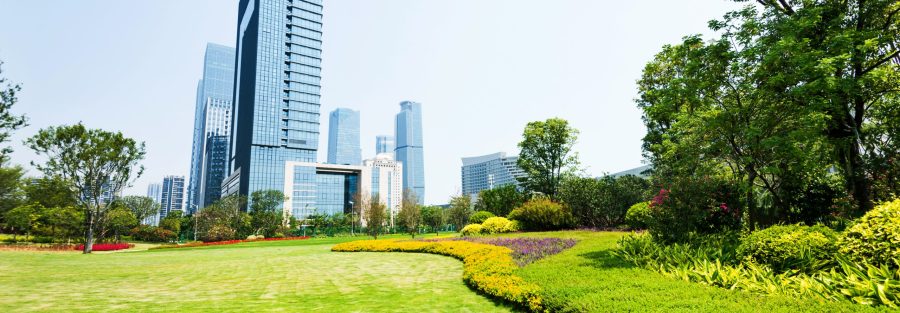
If you’ve ever walked across a patchy corporate lawn or a worn-down park and thought, “Why does this grass always look tired?”, you’re not alone.
High-traffic areas like office complexes, apartment communities, parks, and municipal spaces go through a lot. Foot traffic, maintenance equipment, events, and even pets all contribute to one major underlying issue: soil compaction.
And once soil becomes compacted, it doesn’t matter how much you water or fertilize; your grass is going to struggle.
That’s where commercial lawn care and core aeration come in.
Let’s break down what’s really happening beneath the surface, why compaction is such a problem in busy landscapes, and how commercial-grade core aeration helps bring lawns back to life.
1. What is Soil Compaction?
Why It’s a Bigger Problem Than You Think?
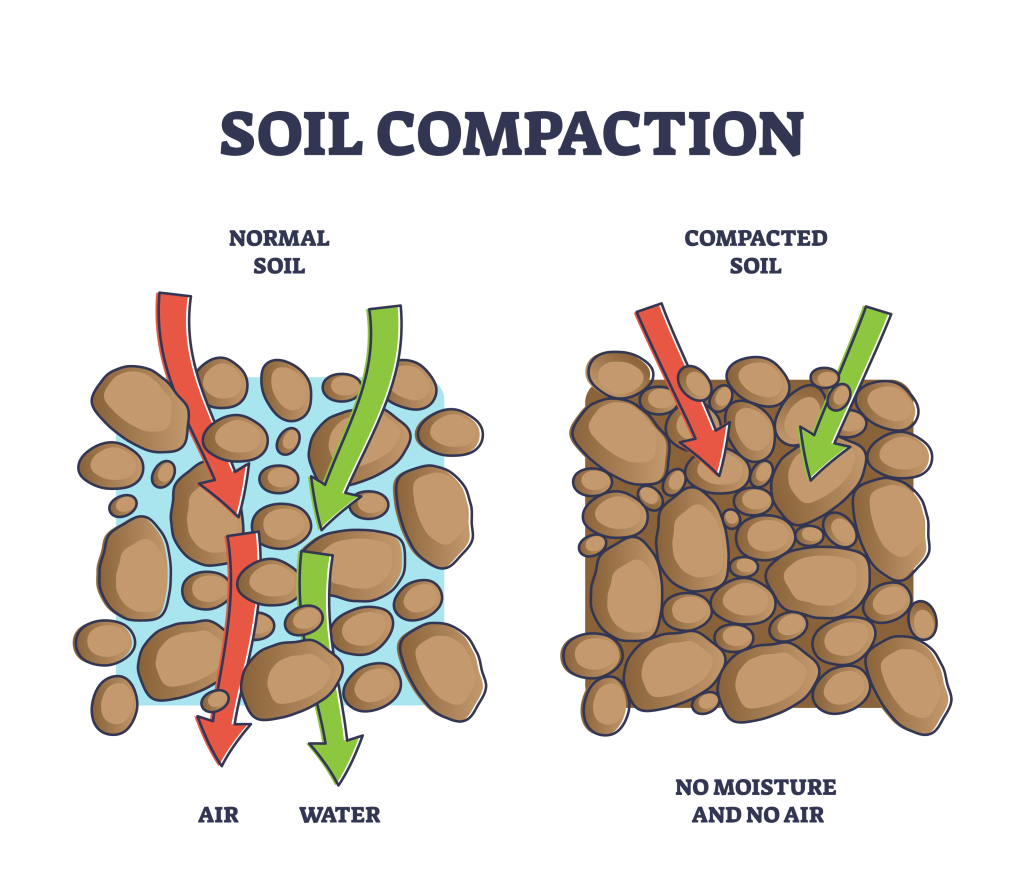
Soil compaction happens when the particles in your soil are pressed tightly together, reducing the space between them. That space is important; it’s where water, air, and nutrients live.
What About High-Traffic Areas?
In high-traffic environments, compaction is almost unavoidable. Think about:
Employees walking the same paths every day
Kids running across park fields
Maintenance equipment driving over turf
Outdoor events, seating, and foot traffic
Over time, all of that pressure essentially “seals” the soil.
What Does Compacted Soil Do to Grass?
When soil becomes compacted, your lawn starts to show signs of stress pretty quickly:
Water runs off instead of soaking in
Roots can’t grow deep
Grass becomes thin, weak, or patchy
Bare spots start to appear
Weeds begin to take over
Even worse, compacted soil creates a cycle. Weak grass leads to thinner coverage, which leads to more exposed soil, which leads to even more compaction.
2. Why High-Traffic Municipal and Corporate Areas Struggle the Most
Residential lawns deal with compaction, too, but commercial and municipal properties are on a completely different level.
Constant Foot Traffic
Corporate campuses, office parks, and apartment complexes see daily foot traffic from employees, residents, and visitors. Unlike a home lawn, these areas don’t get much of a break.
Heavy Equipment Use
Maintenance crews often use mowers, trucks, and utility vehicles that add significant weight and pressure to the soil.
Repetitive Use Patterns
People naturally walk the same routes, creating compacted paths, sometimes also known as “desire paths,” that are difficult for grass to recover from.
Large Open Spaces
Parks, sports fields, and community lawns are designed to be used. That’s great for people, but tough on turf.
All of this makes commercial core aeration not just helpful, but essential.
3. What is Commercial Core Aeration?
Commercial core aeration is a professional lawn care service that removes small plugs (or “cores”) of soil from the ground to relieve compaction and improve soil structure.
Why Can’t I Do It Myself?
Unlike DIY or small-scale aeration tools, commercial-grade equipment is designed to:
Penetrate deeper into the soil
Cover large areas efficiently
Handle heavily compacted ground
Deliver consistent, high-quality results
The process leaves behind small holes across the lawn, allowing air, water, and nutrients to reach the root zone where they’re needed most.
4. How Commercial Core Aeration Actually Fixes Compaction
Let’s talk about what’s happening beneath the surface, because this is where the magic happens.
It Creates Space for Air and Oxygen
Grass roots need oxygen just like we do. When soil is compacted, oxygen can’t circulate properly.
By removing soil plugs, commercial core aeration opens up the ground, allowing oxygen to reach the roots and support healthy growth.
It Improves Water Absorption
Have you ever seen water pool on a lawn instead of soaking in? That’s compacted soil at work.
Aeration creates pathways for water to move deeper into the soil instead of running off the surface. This leads to:
Better hydration
Less water waste
Stronger, more resilient grass
It Encourages Deeper Root Growth
When soil is tight and compacted, roots stay shallow because they can’t push through.
After aeration, roots are able to grow deeper into the soil, which means:
Better drought tolerance
Stronger turf overall
Healthier, thicker grass coverage
It Enhances Nutrient Absorption
Fertilizer only works if it can reach the roots. Commercial core aeration helps nutrients move through the soil more effectively, making every treatment more impactful.
It Breaks the Compaction Cycle
This is huge. By loosening the soil and improving turf health, aeration helps grass grow thicker, which protects the soil from future compaction.
5. Why “Commercial-Grade” Matters
You might be wondering, can’t you just rent an aerator or use a basic tool?
In smaller residential settings, maybe. But for large, high-traffic areas, commercial-grade service is a game changer.
Here’s Why:
Deeper Penetration: Commercial equipment reaches the root zone more effectively
Efficiency: Large areas can be treated quickly without cutting corners
Consistency: Even coverage across the entire property
Durability: Built to handle heavily compacted soil
For municipal and corporate properties, cutting corners on aeration often leads to inconsistent results and wasted time and money.
6. Best Times to Schedule Commercial Core Aeration
Timing matters if you want the best results.
For most warm-season grasses (common in Texas and the southern U.S.), the ideal time is:
Spring: Kickstart growth after dormancy
Early Summer: Support peak growing season
Cool-season grasses benefit most from:
Fall Aeration
In high-traffic commercial areas, aeration may be recommended more than once per year depending on usage.
7. Signs Your Property Needs Commercial Core Aeration
Not sure if it’s time? Here are some clear indicators:
- Water pooling or runoff after irrigation
- Hard, dry soil that’s difficult to penetrate
- Thin or patchy grass
- High weed presence
- Areas that never seem to improve despite watering and fertilizing
- Visible “paths” from repeated foot traffic
If you’re seeing any of these, your soil is likely compacted, and your lawn is struggling because of it.
8. Real-World Benefits for Municipal and Corporate Properties
Investing in commercial core aeration isn’t just about aesthetics; it delivers real, measurable benefits.
Improved Curb Appeal
A healthy, green lawn creates a strong first impression for clients, tenants, and visitors.
Better ROI on Lawn Care
Aeration makes fertilizers and treatments more effective, so you get more value from your investment.
Reduced Maintenance Issues
Healthier turf is more resilient, meaning fewer bare spots, less erosion, and fewer problem areas.
Sustainability Benefits
Better water absorption = less runoff and more efficient irrigation.
9.Pairing Core Aeration with Other Services
For even better results, commercial core aeration is often paired with:
- Fertilization programs
- Overseeding (for cool-season grasses)
- Weed control treatments
- Liquid aeration for maintenance between core services
Think of aeration as the foundation; it makes everything else work better.
10. Healthy Lawns Start Below the Surface
It’s easy to focus on what you can see (green blades, color, thickness), but the real health of your lawn starts underground.
In high-traffic municipal and corporate environments, soil compaction is one of the biggest barriers to success. And without addressing it, even the best lawn care program will fall short.
Commercial core aeration is one of the most effective ways to restore balance to your soil, support stronger root systems, and create a lawn that can actually withstand daily use.
Because at the end of the day, a great lawn isn’t about looking good…it’s about lasting.